Sweet Meets Sweet: Chocolate and Hazelnut Peda for Navratri (No Deep-Frying, No Fuss)
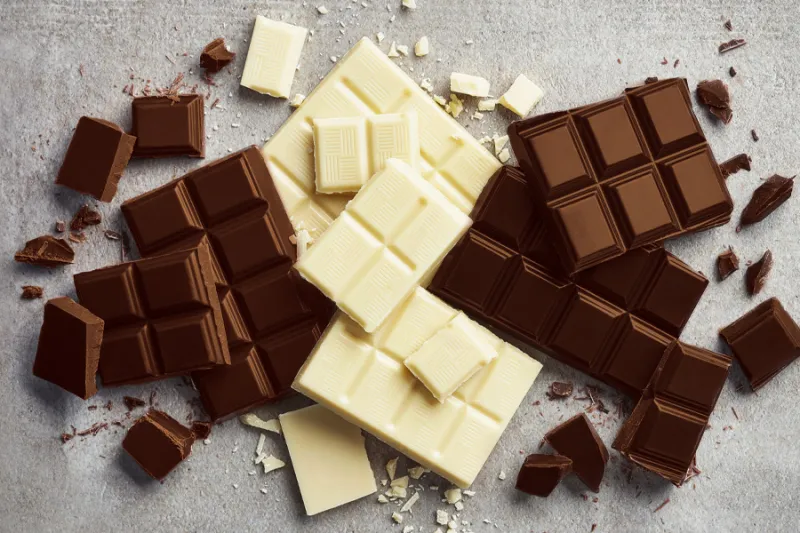
Photo: chocolate peda Indian sweets with hazelnuts on plate, via totallychocolate.com
We spend most of our time here chasing the flavours of China and East Asia, but every so often a festival comes along that demands attention from anyone who loves cooking with spices — and Navratri, the nine-night Hindu festival of fasting and feasting, is exactly that. The sweet counters come alive: laddoo, barfi, halwa, and the soft, milky little discs known as peda.
Peda is sometimes called Indian fudge, and the comparison is fair. It's made by cooking down milk (or milk powder — more on that in a second) with sugar and ghee until it thickens into a dough, then flavouring it with cardamom and saffron and pressing it into rounds. It's richer and softer than fudge, with a grain that almost melts.
For this Navratri special, we're doing something a bit cheeky: chocolate and hazelnut peda. Yes, it's a fusion. No, we're not sorry. Chocolate and cardamom get on famously, and toasted hazelnuts give the whole thing a Nutella-adjacent warmth that British cupboards are always one step away from anyway.
Why Milk Powder Is Your Friend
Traditional peda starts with khoya — milk slow-cooked until it's reduced to solid. Making khoya from scratch is a beautiful thing, but it takes an hour and a half of stirring, and most of us have a Tuesday, not a day off. Good news: dried milk powder, available at every major UK supermarket for a couple of quid, does a very convincing job. Mixed with a little double milk and ghee, it cooks down into a soft dough in about ten minutes.
Use full-fat milk powder (Nestlé or supermarket own-brand both work), not the skimmed stuff — you need the fat for that fudgy texture.
The Recipe
Makes about 16 peda
- 250g full-fat milk powder
- 200ml double milk (or 100ml double cream + 100ml whole milk for extra richness)
- 3 tbsp unsalted butter or ghee
- 60g caster sugar
- 2 tbsp cocoa powder
- 50g hazelnuts, toasted and roughly chopped
- ½ tsp ground cardamom
- A pinch of salt
- Whole hazelnuts and a little cocoa, to finish
- Toast the hazelnuts in a dry pan until fragrant, then roughly chop. Set aside.
- In a non-stick pan, melt the ghee or butter over low heat. Add the milk and sugar, stirring until dissolved.
- Whisk in the milk powder a little at a time — lumps are the enemy. Keep the heat low and stir constantly for 8–10 minutes. The mixture will thicken into a soft, sticky dough that pulls away from the pan.
- Off the heat, stir through the cocoa, cardamom, salt and most of the hazelnuts. It should smell like the inside of a very good chocolate shop.
- Let it cool for 10 minutes — warm, not hot — then knead briefly with your hands until smooth.
- Roll into 16 balls, flatten each into a disc, and press a whole hazelnut into the centre. Dust with cocoa.
- Rest for 30 minutes. They'll firm up as they cool.
A Note for the Fasters
If you're cooking for Navratri properly, check your ingredients against your own practice — some families avoid certain things during the fast, and there are vrat-friendly versions of everything here (swap the ghee in, skip anything you'd normally leave out). The beauty of peda is how forgiving the base is; the technique stays the same whatever you flavour it with.
Why This Works on a British Hob
Unlike fudge, which demands a sugar thermometer and a prayer, peda dough is cooked by feel — you're looking for a soft dough, not a precise temperature. It's honestly closer to making playdough than confectionery, which makes it a brilliant one to do with kids. And because there's no boiling sugar syrup, there's no risk of a trip to A&E mid-festival.
Store them in an airtight tin for up to five days — they soften slightly over time, which is no bad thing. If they last that long.
Happy Navratri, and if you make them, make a double batch. Ask us how we know.