Wok and Roll: What Ken Hom and Ching-He Huang Actually Taught Britain (and What We Can Quietly Unlearn)
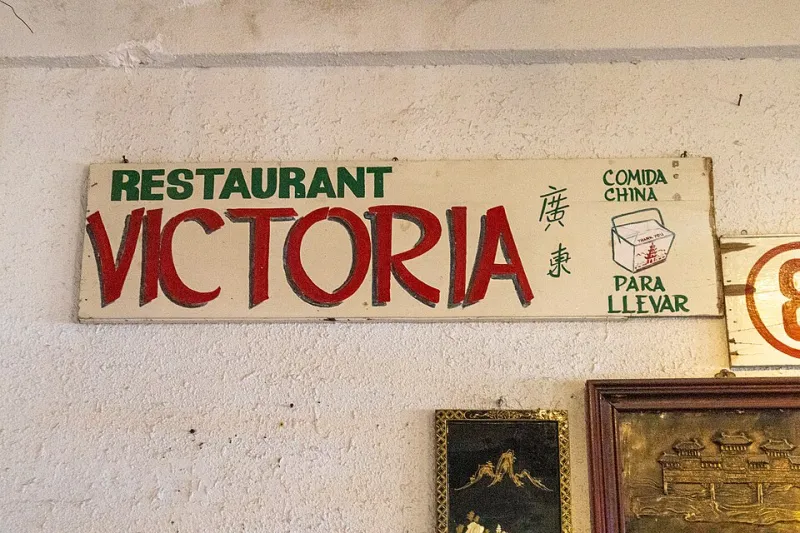
Photo: ProtoplasmaKid, CC BY 4.0, via Wikimedia Commons
Ask anyone over forty how they first learned to 'stir-fry' and you'll likely hear the same name: Ken Hom, wok in hand, gravelly voice, standing in a kitchen that looked suspiciously like a BBC studio. Ask anyone under forty and it's probably Ching-He Huang, breezing through Saturday morning TV with a rice bowl in one hand and a bottle of light soy in the other.
Two decades. Two very different versions of Chinese food for British telly. And together, they built the mental model most of us still cook from — whether we know it or not.
The Ken Hom Era: Theatre First, Subtlety Later
Ken's 1984 series landed at a strange moment. Britain had takeaways on every high street but almost no idea what was happening behind the kitchen door. Hom's genius was demystifying the wok — the seasoning, the oil smoke point, the whole 'hot wok, cold oil' mantra that still echoes in kitchens from Leeds to Lewisham.
We tested three of his signature dishes this month to see what holds up:
Sweet and sour pork. The batter-deep-fry-and-glaze approach works, but his recipe leans heavy — more sauce than most Cantonese kitchens would ever dream of using. Half the quantity of sugar, and it's genuinely restaurant-quality.
Egg fried rice. Still bulletproof. Day-old rice, high heat, eggs cracked straight into the wok. Honestly, this technique needs no revision at all.
Chicken with cashews. Here's where the era shows. The instruction to 'marinate in sherry if you can't find Shaoxing wine' was a pragmatic 80s hack — and having recently taste-tested modern supermarket substitutes, we can confirm you no longer need the sherry. Every major chain stocks the real thing now.
The genuine criticism? Portion philosophy. Hom's dishes were built for a British main-course mindset — one protein, one sauce, one plate. Real home cooking across China runs on variety: three or four small dishes, rice as the anchor, everything shared. That table culture took another twenty years to reach our living rooms.
Enter Ching-He: Freshness as a Selling Point
When Ching-He Huang arrived on our screens in the mid-2000s, she brought a different pitch: lighter, fresher, faster. Steamed fish with ginger and spring onion. Congee for breakfast. Tofu treated with respect rather than suspicion.
Her lasting contribution is arguably bigger than any single recipe — she normalised the idea that a Chinese meal could be everyday food, not a weekend event. Stir-fried greens with garlic became a legitimate side dish in British homes that had previously considered 'a vegetable' to mean boiled peas.
Where she occasionally misses, it's on heat. Her TV woks never quite look menacing enough, and the dishes can drift towards the gentle end of the spectrum. A true sear — the wok hei that makes takeaway noodles sing — demands a burner most British hobs simply can't provide. Neither presenter ever fully solved that problem, and to be fair, neither have we. (Our workaround: a screaming-hot cast iron pan and smaller batches than you think you need.)
The Verdict: Keep, Revise, Retire
Keep: the marinated-protein-and-cook-in-minutes workflow. Velveting meat in a little cornflour and soy is still the single most transformative technique either show taught Britain.
Revise: the sauce quantities. 80s recipes were written for palates raised on sweet-and-sour-battered-everything. Modern British cooks, raised on proper ramen and Sichuan hotpot, can handle more chilli, less sugar, and a lot more funk.
Retire: the notion that Chinese cooking is a one-dish performance. The shared table — a pot of rice, a couple of quick dishes, something pickled on the side — is the real lesson both presenters only half-delivered.
So dig out the old paperbacks if you own them. Ken's wok fundamentals remain gold; Ching's vegetable-first instincts have aged beautifully. Just cook like it's 2024, not 1984 — and put the sherry back in the drinks cabinet where it belongs.