The Friday Night Duck Audit: A Field Guide to Spotting a Reheated Roast
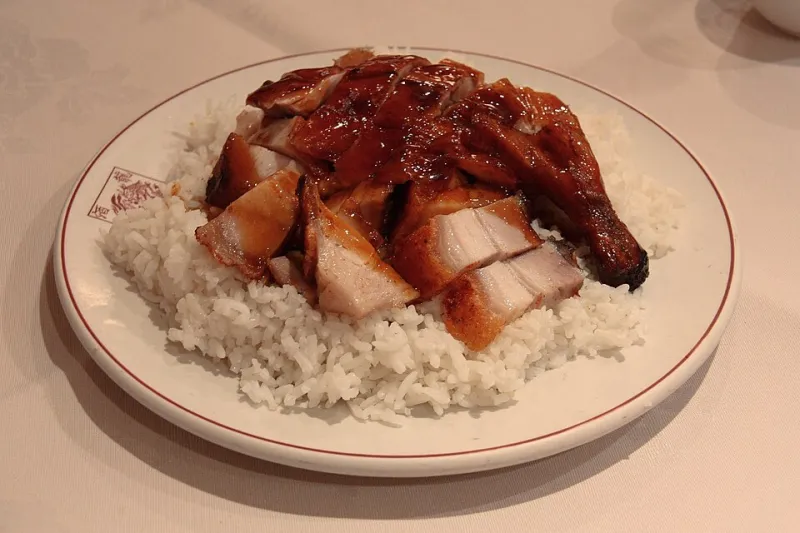
Photo: Kham Tran - www.khamtran.com, CC BY-SA 3.0, via Wikimedia Commons
There are two types of roast duck in this world. The first has skin that shatters like spun sugar, fat that renders into the rice below, and meat that tastes of five spice and patience. The second is grey, floppy, and tastes vaguely of microwave.
After one too many disappointing Friday night takeaways, I decided enough was enough. Over four weeks, I ordered half a roast duck from nine different Chinese takeaways across Greater Manchester and did what any normal person would do: I made a spreadsheet.
The Tell-Tale Signs: What to Look For
The skin. Proper roast duck skin is mahogany, taut, and glassy — the result of hanging the bird to dry before roasting, which crisps the skin properly. If the skin is pale, wrinkled, or (worst of all) slightly chewy like wet paper, it's been reheated or steamed back to life. That's a duck that died twice.
The colour consistency. A freshly roasted duck has variation — darker at the extremities, lighter near the breast. If every piece is an identical, uniform brown, you're looking at a duck that's been sitting in a hot cabinet for hours, drying out like a sponge in the sun.
The juices. When you get it home and pull it apart, the meat should glisten. Slightly pink near the bone is fine (and correct). Dry, fibrous, straw-coloured meat means the bird was roasted days ago and has been living its best afterlife under a heat lamp.
The fat layer. Between skin and meat there should be a thin, melting layer of fat. If it's thick, rubbery, or congealed, the duck wasn't rested properly — or it's been reheated so many times the fat has given up on life.
The Scoring Card
Mark each out of 10:
| Criteria | Points |
|---|---|
| Skin crispness (does it shatter?) | /10 |
| Colour depth and variation | /10 |
| Meat juiciness | /10 |
| Fat rendering | /10 |
| Aroma (five spice? star anise?) | /10 |
| Overall: would you order again? | /10 |
50–60: Your local is a gem. Tell everyone. Buy their plum sauce.
35–49: Decent, but order at peak time (6–7pm) when the fresh batch comes out.
20–34: They're reheating. Order something else off the menu.
Below 20: Report them to no one, but never return.
Questions Worth Asking at the Counter
You don't need to be confrontational — the staff at good takeaways are usually proud of their ducks and happy to chat:
- "What time do the ducks come out of the oven?" A good place roasts twice daily, morning and late afternoon.
- "Can I get one from the fresh batch?" If they say yes without blinking, that's a great sign.
- "Do you hang them yourselves?" Proper places do. If they look confused, they're buying pre-roasted and finishing them off.
The Verdict
Of my nine ducks, four scored above 50, three were middling, and two were crimes against Cantonese cuisine. The best was from an unassuming spot in Levenshulme where the owner hangs his own birds and the skin actually sang when I bit into it.
The lesson? The distance between a great roast duck and a sad one is usually just timing. Order when the fresh batch lands, ask the questions, and never — ever — accept a microwaved duck on a Friday night again. You've earned better.