Sticky, Shredded, Slightly Obsessed: Cracking Crispy Chilli Beef on a British Hob
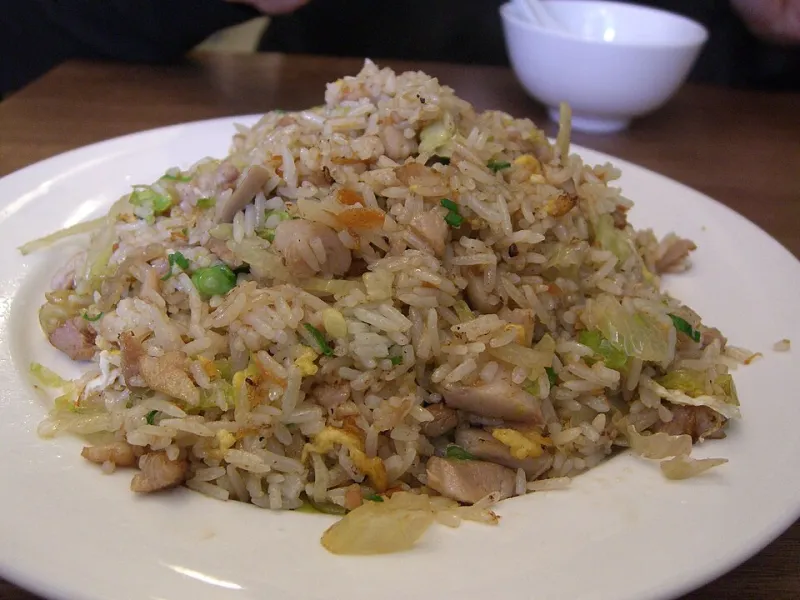
Photo: Alpha from Melbourne, Australia, CC BY-SA 2.0, via Wikimedia Commons
Ask any Chinese takeaway in Britain what flies out the door fastest and the answer is almost always the same: crispy chilli beef. Those tangles of shredded beef, fried to a glassy crunch and lacquered in that sweet, sharp, faintly fiery sauce, have become as British as the curry sauce on your chips.
And yet, when we try it at home, it all goes wrong. The beef steams in its own coating. The sauce turns either watery or toffee-hard. The whole thing goes limp before you've even found the chopsticks.
We spent three weekends and about four kilos of braising steak working out why. Here's what we learned.
Why the Takeaway Has an Unfair Advantage
First, the uncomfortable truth: your local takeaway has kit you don't. A proper wok burner pushes three to four times the heat of even a decent gas hob, and commercial fryers hold temperature no matter what you drop into them.
That matters more than anything else in this dish. Crispy chilli beef is a battle against moisture and temperature. The moment beef hits cool oil, the coating absorbs oil instead of crisping. The takeaway's oil never dips; yours does, every time.
But — and this is the good news — you can get close. Close enough that on a Tuesday night, nobody's complaining. Here's how.
The Cut and the Shred
Forget fillet. You want a cheap, lean cut: braising steak, feather blade, even beef stir-fry strips from the supermarket if you shred them yourself. Cheap beef has better texture once fried, and it's kinder to the wallet.
Cut the meat with the grain into thin slabs, then slice those slabs into matchsticks about half a centimetre thick. Cutting with the grain sounds wrong — every stir-fry guide tells you against it — but here the strands need to hold together through a long fry. Against the grain, they fall apart in the oil and you get beefy crumble.
Dry the shreds thoroughly with kitchen paper. Moisture is the enemy. Then toss them in your starch.
Cornflour vs Potato Starch: The Verdict
We fried side-by-side batches, and the difference was real.
Cornflour gives that classic takeaway shatter — brittle, glassy, snappy. It browns fast and stays crunchy for about ten minutes before softening.
Potato starch produces a lighter, puffier, more delicate crust that holds up longer but never quite achieves the same glassy crunch.
The winner for this dish: cornflour, with a tablespoon of potato starch mixed in if you have it. The blend gives you the shatter and some staying power. A pinch of baking powder in the mix helps too — it puffs the coating and creates micro-cracks for the sauce to grip.
The Double-Fry Is Not Optional
This is where most home attempts die. You cannot fry crispy chilli beef once. You just can't.
First fry: medium heat, around 160°C if you have a thermometer, working in three or four small batches. Small batches are non-negotiable — a big heap of beef drops your oil temperature straight into sog territory. Fry for three to four minutes until pale gold and just holding its shape. Drain on a rack, not kitchen roll (kitchen roll traps steam underneath and softens the base).
Second fry: crank the heat to 190°C-ish and return each batch for 45 seconds to a minute, until deep gold and audibly crisp. This blast drives out the remaining moisture and sets the crust. Rest on the rack again.
No thermometer? Use a wooden chopstick — when it bubbles vigorously around the wood, you're in the second-fry zone.
The Sauce: Sticky, Not Sticky-Toffee
The classic sauce is a balance of sweet, sour, salty and heat. Our tested ratio, enough for 400g of beef:
- 3 tbsp caster sugar
- 3 tbsp rice vinegar
- 2 tbsp light soy sauce
- 1 tbsp tomato ketchup (yes, really — the takeaway's secret weapon)
- 1 tbsp cornflour mixed with 3 tbsp cold water
- Dried chilli flakes or 2 sliced fresh red chillies, plus sliced garlic and ginger
- A dash of chilli oil for colour
Fry the aromatics briefly, add everything except the cornflour slurry, then stir in the slurry and simmer until the sauce coats the back of a spoon. It should be glossy and slow-dripping, not syrup-thick. Over-thicken it and you get toffee shards; under-thicken it and everything goes soggy in minutes.
The final move: toss the beef through the sauce off the heat, quickly, and serve immediately. The sauce should coat, not soak. If you drown it, the crunch is gone within five minutes — which is exactly why the takeaway serves it in that shallow foil tray with the sauce pooled at the bottom rather than mixed through.
Where the Takeaway Still Wins
Honesty time. Even our best batch lost on two fronts. First, longevity: the takeaway's version stays crisp through a twenty-minute drive because their fryer and their sauce ratio are dialled in for delivery. Ours is best eaten within ten minutes, standing at the hob.
Second, the wok hei factor. That faint smoky edge from a proper burner is impossible to fake on a domestic hob. You can approximate it — preheat the wok until it just smokes, cook in tiny batches — but you won't match it.
What you will get, for about £6 of beef, is a plate of proper crispy chilli beef, fresher and less greasy than most takeaways, made in your own kitchen on a Tuesday. That's a trade worth making.
Serve it with plain steamed rice and nothing else. This dish doesn't need backing dancers.