A £2 Bag of Crystals and a Week of British Dinners: Putting MSG Through Its Paces
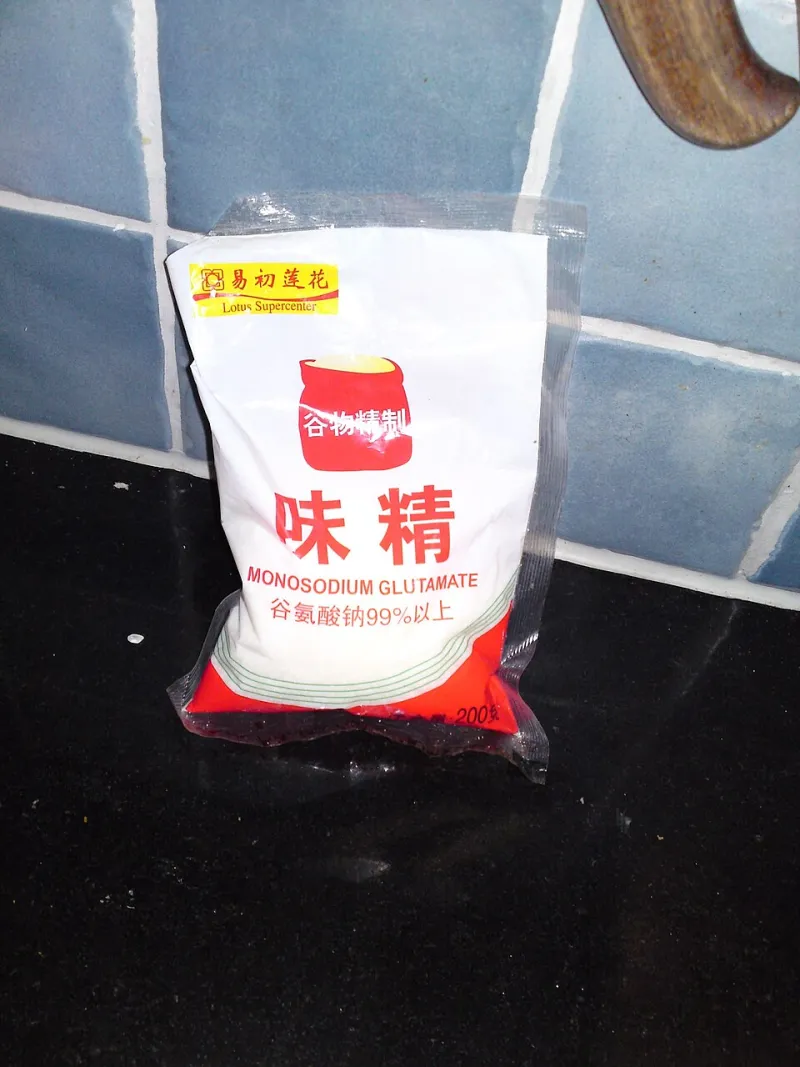
Photo: Kalleboo on Flickr, CC BY 2.0, via Wikimedia Commons
There's a bag of monosodium glutamate in my cupboard that set me back £1.89. It's roughly the size of a paperback, has a mountain on the front, and carries a label reading 'flavour enhancer E621' in the sort of typeface usually reserved for industrial solvents.
Everyone I mentioned it to had an opinion. Most of those opinions involved headaches.
So I cooked with it every single night for a week. Not in a wok, and not in some doomed attempt to recreate a takeaway — in the meals this country actually eats on a wet Tuesday. Scrambled eggs. A roast chicken. Greens. Chips. Gravy. What follows is the diary, the verdict, and the bit of history that explains how a perfectly ordinary white powder ended up with a worse reputation than the deep-fried Mars Bar.
Where the fear came from
The modern suspicion of MSG traces back to a short letter published in the New England Journal of Medicine in 1968. A physician named Robert Ho Man Kwok described numbness, weakness and palpitations after eating in Chinese restaurants, and floated a few possible culprits — MSG among them. Within months the phrase 'Chinese Restaurant Syndrome' was in circulation, and it never really left.
What's striking is how little the letter was ever asked to carry. Repeated double-blind trials since then have failed to reproduce those symptoms in any consistent, predictable way, and the studies that did trigger something tended to involve enormous doses taken neat, on an empty stomach — grams, not pinches. Regulators have looked at it repeatedly: in the UK it sits as permitted additive E621, and the European Food Safety Authority's 2017 re-evaluation set an acceptable daily intake of 30mg per kilo of body weight. For a 70kg adult that's about 2.1g a day. You'd have to be extremely determined with a teaspoon.
Meanwhile, 'no added MSG' stickers keep appearing on crisps and stock cubes, which tells you rather more about marketing than about chemistry.
What it actually is
Glutamate is an amino acid — one of the building blocks of protein. It's in parmesan, tomatoes, mushrooms, cured ham, anchovies, dried shrimp, Marmite, soy sauce, and human breast milk. It's the compound behind the taste the Japanese call umami, identified by Kikunae Ikeda in 1908 while he was puzzling over kombu broth.
MSG itself is glutamate bound to sodium, made commercially by fermenting starch — broadly the same family of processes that gives us vinegar, yoghurt and soy sauce. It is, in the least dramatic sense possible, a seasoning salt.
Its party trick is synergy. Glutamate amplifies the savoury notes already present in meat, fish, mushrooms and aged ingredients, which is why a pinch does more in a chicken gravy than it does in a plain tomato sauce that's already loaded with the stuff.
The rules I cooked by
Before the diary, the ground rules, because the failures were all my fault rather than the powder's:
- It seasons, it doesn't salt. Think one part MSG to nine or ten parts salt when you're building a rub or a mix.
- A little is genuinely a lot. An eighth to a quarter of a teaspoon for two portions. That's it.
- Add it late, or into a liquid, so it dissolves properly.
- Buy it where it's cheap. Asian grocers sell 400–500g bags for £1.50–£2.50. That's a decade of dinners.
The week, meal by meal
Monday: scrambled eggs
A pinch (about 1/8 tsp) whisked into three eggs, cooked low and slow with butter. The result was subtle but real — the eggs tasted more of themselves, in the way eggs do when you've also snuck in a bit of cheese. Would I bother every time? No. On a hungover Sunday? Possibly.
Tuesday: the roast chicken
This was the headline act. I mixed a quarter-teaspoon of MSG into two teaspoons of fine salt and rubbed it over a 1.6kg bird the night before. The meat was noticeably more savoury, but the real transformation was the gravy — deeper, rounder, somehow more chicken-y than the bird had any right to be in November. Nobody at the table detected anything 'Chinese'. They just asked what I'd done differently.
Wednesday: stir-fried spring greens
Sliced greens, garlic, a hot pan, a splash of water, a pinch of MSG at the end. British winter greens can be bitter and worthy; these tasted like something you'd actively want a second helping of. Cheap, fast, mildly life-changing.
Thursday: oven chips
A quarter-teaspoon tossed through frozen chips with a little oil before the air fryer. Side by side with a salted-only batch, the difference was small but weirdly specific: the MSG chips tasted more like proper chip-shop chips. More potato, more depth, less of that flat fried-nothingness.
Friday: shepherd's pie
Here's the honest bit — I split the mince in two and could barely tell them apart. Worcestershire sauce, tomato purée, stock and mushrooms had already done the heavy lifting. If your dish is built on aged, fermented or slow-cooked ingredients, MSG adds very little. Useful to know before you start treating it as a universal fix.
Saturday: a quick noodle stir-fry
Egg noodles, cabbage, spring onion, soy, a splash of the noodle water. A pinch of MSG made this taste finished rather than assembled. Takeaway-adjacent, in the best way.
Sunday: gravy
A quarter-teaspoon in the jug, and the whole roast came together. If you only ever use it for one thing, make it this.
Where it went wrong
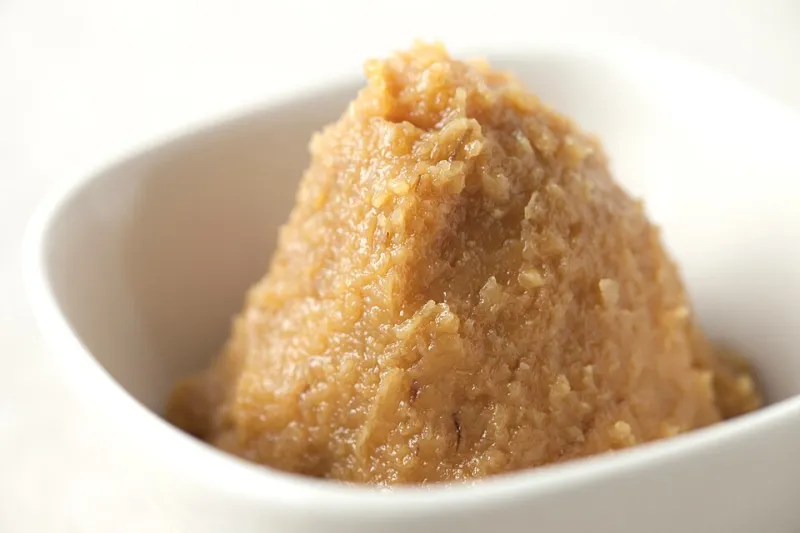
The failures were instructive. I doubled up in a miso soup that already had plenty of glutamate in it, and the result tasted oddly flat and faintly sweet. Same story with a beef stir-fry that had both soy and oyster sauce — the pinch pushed it into one-note territory. MSG turns the volume up; if the track is already loud, you just get distortion.
As for the headaches? I had one on the Wednesday. I'd also had two coffees, no lunch, and a deadline. Draw your own conclusions.
The verdict
MSG is not a flavour. It's a volume knob for savoury, and like any knob it can be over-turned. It won't rescue a bad dinner, but it will make an average chicken taste like a better chicken, and it'll do something quietly excellent to gravy, greens and chips.
My £1.89 bag will outlast most of my kitchen equipment. It lives next to the salt, gets used maybe twice a week, and has never once given me a headache. The reputation, frankly, is doing all the work.