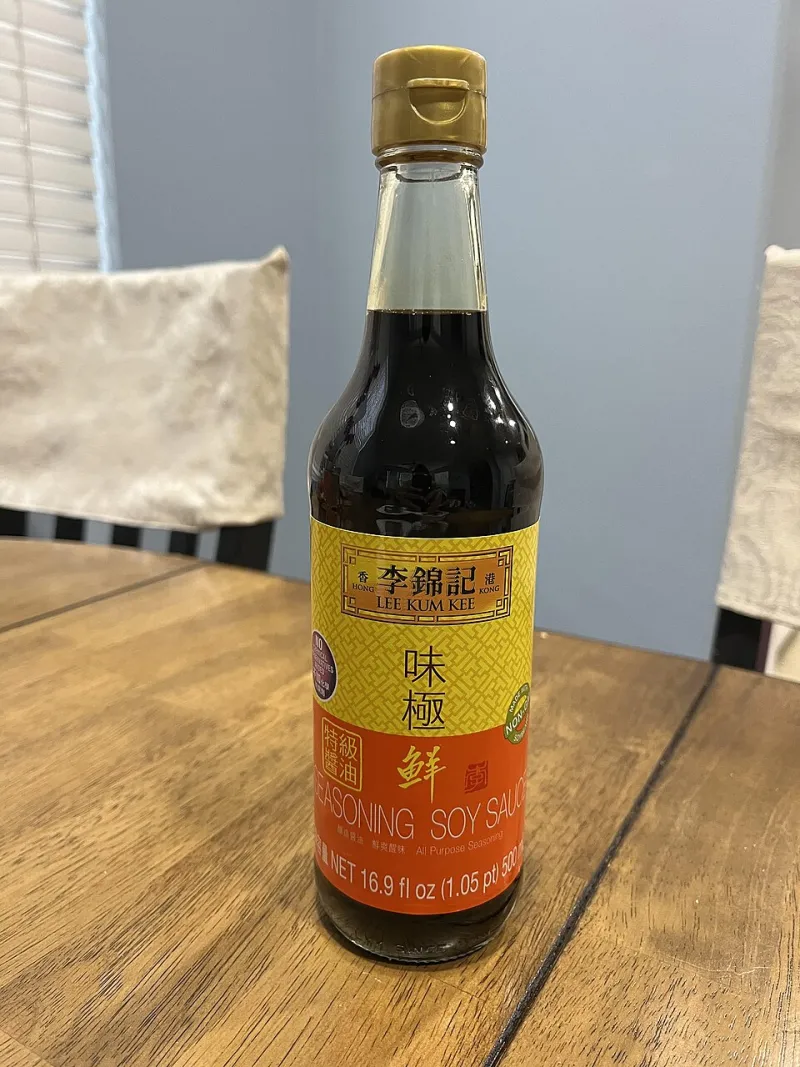
Six Jars Under a Fiver That Will Ruin Your Sunday Roast (In a Good Way)
Photo: Takeaway, CC BY-SA 4.0, via Wikimedia Commons
Right, let's be honest about something: the average British fridge door is a culinary wasteland. Brown sauce, half a lime pickle from 2021, a solid bottle of soy that only comes out for stir-fries.
Meanwhile, three aisles over in any Asian supermarket — or increasingly, in the world foods section of your Tesco — sits a shelf of condiments that will transform the most aggressively beige food in the British canon. We tested six of them on Sunday roasts, beans, toasties and everything in between. Here's the honest verdict, including the ones to skip.
1. Shaoxing-Style Cooking Wine — £1.80–£3
The workhorse. Slightly nutty, faintly sweet, and it does to gravy what a splash of sherry did for your nan's trifle. Deglaze the roasting tin with it before making your gravy and you'll get a depth that normally requires a stock cube and wishful thinking.
Upgrade: Sunday roast gravy. A tablespoon into the tin drippings, then proceed as normal.
Skip it if: you only cook once a fortnight — once open it's best within a few months and it does fade. Buy the small bottle.
2. Chili Crisp — £3–£5
You've seen the jars with the neon labels all over your feed. It's not hype. Crispy garlic, chilli flakes, oil, a whisper of Sichuan peppercorn. Spooned over cheese on toast before grilling, it turns a snack into a situation. Also非凡 on scrambled eggs, leftover roast potatoes and, genuinely, vanilla ice cream.
Upgrade: Cheese on toast. Under the cheese, not on top, so it crisps into the bread.
Skip it if: you're buying the viral brand at a markup — own-label and smaller brands under a fiver are near-identical.
3. Doubanjiang (Fermented Chilli Bean Paste) — £2–£3
Salty, funky, properly spicy, and the backbone of mapo tofu. But for the British cook, its real talent is as a roast potato condiment. Toss parboiled spuds in a teaspoon of it with your fat before roasting and you'll never go back to plain salt.
Upgrade: Roast potatoes. Also brilliant smeared under the skin of a chicken before roasting.
Skip it if: you're chilli-averse — this is not a gentle product. There's no 'mild' version worth buying.
4. Chinese Sesame Paste — £2.50–£4
Darker and toastier than tahini, and criminally underused outside of dan dan noodles. Whisked with a bit of hot water and soy, it makes an instant sauce for steamed greens — but it also makes a genuinely great twist on the cauliflower cheese sauce, swapping in for some of the flour-and-milk roux.
Upgrade: Cauliflower cheese. Replace a third of the roux with a tablespoon of sesame paste.
Skip it if: you already own tahini and only want one nut-paste situation in the cupboard. They overlap more than purists admit.
5. Black Rice Vinegar — £2–£3.50
Malt vinegar's sophisticated cousin. Deeper, slightly smoky, faintly sweet. It's the missing link in chips-vinegar terms, but where it really sings is a quick pickle: sliced red onion, a splash of this, a pinch of sugar, ten minutes. That pickle cuts through roast pork, cheese toasties and anything fried like nothing else.
Upgrade: Quick-pickled onions for the roast dinner leftovers bap.
Skip it if: you already keep good balsamic — they cover similar ground, though the rice vinegar is cheaper.
6. Fried Shallots (the Jar, Not the Packet) — £2–£3
Crisp, savoury, basically British fried onions' cooler relative. They turn anything soft and beige into something with texture — mashed potato, macaroni cheese, beans on toast. We're not joking about the beans: butter the toast properly, spoon the beans on, scatter fried shallots and a dash of black vinegar. It's a £1.40 dinner that eats like a tenner.
Upgrade: Beans on toast. Non-negotiable.
Skip it if: you're prone to burning things — you can DIY these in ten minutes, but the jar is cheaper than the shallots, honestly.
Storage: The Boring Bit That Matters
All six live happily in a dark cupboard, not the fridge (sesame paste firms up unpleasantly when chilled). The wine and vinegar keep for ages; the chili crisp and fried shallots are best within three months of opening, mostly because the crispness goes. And label the doubanjiang clearly — it has been mistaken for hummus in this kitchen, and we don't want to talk about it.
Total damage for the full set: around £16. That's less than one takeaway, for a shelf that upgrades every beige classic you own.