One Pan to Rule Them All: A Wok converts' Guide for British Hobs
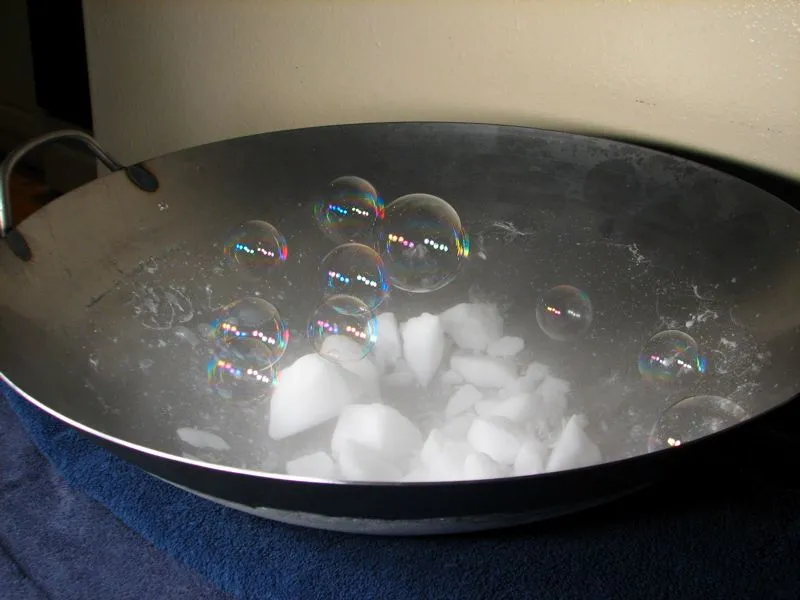
Photo: Windell Oskay from Sunnyvale, CA, USA, CC BY 2.0, via Wikimedia Commons
Let's be honest about the average British kitchen. You've got four rings, maybe one of them actually powerful, and a smoke alarm positioned with what can only be described as malicious intent. Into this environment, most of us have been trying to stir-fry in a heavy frying pan, and wondering why our beef comes out grey and our noodles stew rather than sear.
The problem isn't you. It's the pan.
Why the Wok Wins on a Weak Hob
A frying pan spreads heat across a wide, flat base — but only the base. A wok does something cleverer: it concentrates fierce heat at the bottom and creates a gradient of temperatures up the curved sides. That means you can sear in the hot zone, then toss food up the sides to cook gently or rest — all in one motion. Chefs call it 'tumbling'. Home cooks call it magic.
On a modest British hob, this matters double. You can't generate restaurant-level heat, so you need a pan that makes the most of what you've got. A thin carbon steel wok heats fast and responds instantly when you adjust the dial. A thick cast iron or heavy stainless pan just shrugs.
The induction myth: people assume woks don't work on induction hobs because of the round bottom. Modern flat-bottomed carbon steel woks are induction-compatible — carbon steel is magnetic enough to trigger the hob, and the flat base sits happily on the ring. Yes, a round-bottomed wok on a ring-shaped induction plate is a compromise, but a flat-bottomed 30cm wok will serve you brilliantly. Get one with a long handle and a helper handle; you'll thank yourself at tossing time.
Seasoning: Easier Than You've Been Told
A new carbon steel wok arrives looking dull grey or blue-black, sometimes with a factory anti-rust coating. You need to wash that off, then build a polymerised oil layer — the 'seasoning' — that makes it naturally non-stick and gives stir-fries that faint smoky depth.
Here's the no-fuss method:
- Scrub the wok with hot water and a scourer to remove any factory coating. Dry it thoroughly over a low heat.
- Heat the wok until it just starts to smoke.
- Wipe the inside with a oil-soaked kitchen paper towel — groundnut or rapeseed oil, something with a high smoke point. Use tongs. It will smoke. Open a window, silence the alarm, carry on.
- Keep heating and wiping for 10–15 minutes until the surface turns dark and faintly glossy.
- Cool it, wipe it, store it. Done.
After that, maintenance is simple: wash with water (skip the soap when you can), dry on the hob for thirty seconds, wipe with a trace of oil. If it ever rusts or gets a soapy wash, just re-season. It's a pan, not a newborn.
Kit That Actually Helps
- A wok spatula (chuan) — the curved metal spatula that matches the wok's shape. £5, transformative.
- A lid — for steaming and braising dishes.
- A bamboo steamer that sits in the wok — dumplings at home, sorted.
- A ladle for splashing stock down the sides — the secret to glossy sauces.
The Learning Curve: Three Dishes, One Wok
Don't start with crispy chilli beef. Build up like this:
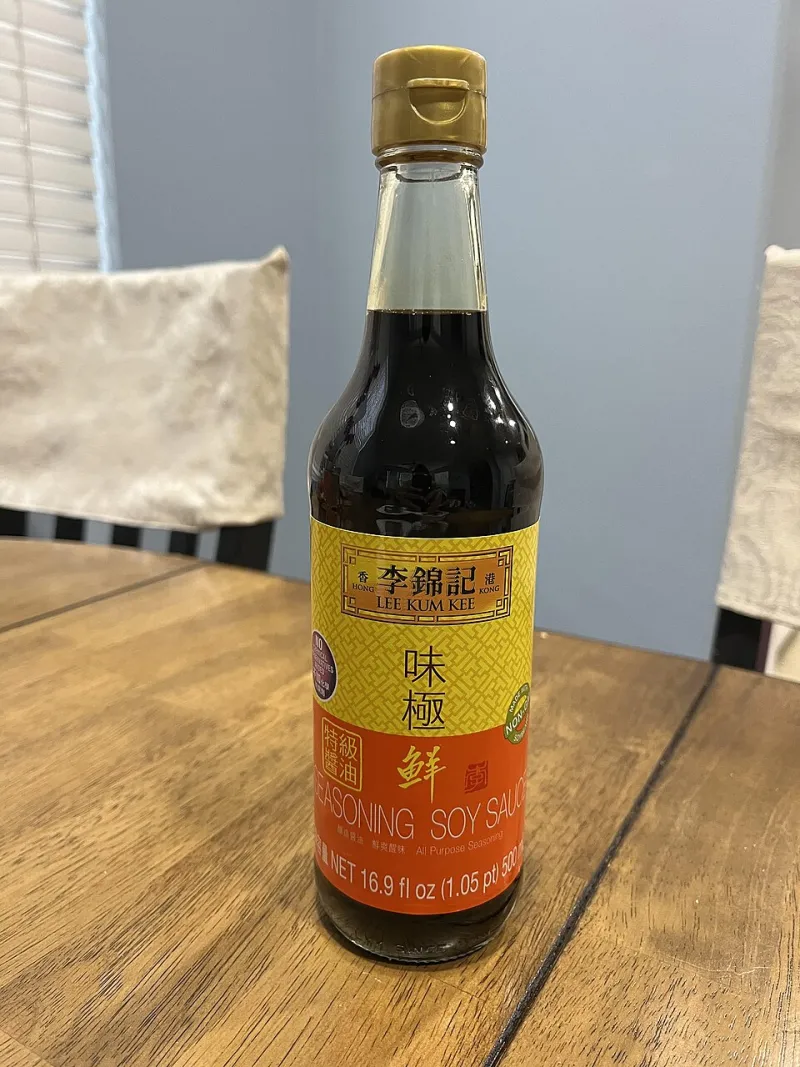
Level 1 — Egg fried rice. Cold, day-old rice, hot wok, eggs scrambled first and set aside, rice tossed until every grain is coated and toasty, everything back in with soy and spring onions. This teaches you heat control and the constant-toss rhythm. If your rice clumps, your wok wasn't hot enough or your rice was fresh. Both fixable.
Level 2 — Chicken and cashew stir-fry. Learn to velvet (toss sliced chicken in a spoon of cornflour, a splash of water and a little soy for ten minutes) and to cook in batches: chicken first, remove, aromatics, veg, then reunite. Batch cooking is the single biggest upgrade to home stir-fries.
Level 3 — Beef in black bean sauce. Velvet your beef, sear hard in two batches, then build the sauce — garlic, ginger, fermented black beans (or a jar of black bean sauce from the supermarket), a splash of Shaoxing wine, soy, and a cornflour slurry. Splash of water down the hot side of the wok, toss, done. Serve with rice and a smug expression.
Just Get the Wok
Thirty quid, one pan, decades of dinners. It'll outlive your non-stick frying pans several times over, get better with age, and make your kitchen smell properly like a Friday night takeaway — in the best way. What are you waiting for?