Chicken Balls, Chop Suey and the Truth: A Love Letter to the British Chinese Menu

Photo: Stefan De Wit , CC BY-SA 2.0, via Wikimedia Commons
Let's get one thing straight before the purists arrive in the comments: the British Chinese takeaway is not a watered-down imitation of 'real' Chinese food. It's its own cuisine — a century-old hybrid born of Cantonese immigrants, British rationing, and post-war appetites. It deserves to be understood, not apologised for.
But it also deserves a bit of curiosity. So here's our field guide to what you're actually ordering — and where to go next once the chicken balls have lost their magic.
Chicken Balls in Batter: The Origin Story Nobody Expects
That glistening golden sphere of chicken and batter is not some invention of the takeaway down the road. Its ancestor is sweet and sour pork, a dish from Cantonese cooking that was adapted for Western tastes as far back as the 1800s — first in American Chinatowns, then in British port cities like Liverpool and Limehouse.
The balls themselves? A very British solution to a very British problem: how to make battered food that survives a 20-minute drive in a carrier bag. Respect where it's due.
Level up: Order the sweet and sour sauce on the side and ask for it Hong Kong style next time — lightly battered pork in a glossy, sharp sauce made to order, not a neon vat.
'Singapore Chow Mein' Has Never Been to Singapore
One of the great culinary fibs of the British menu. Singapore-style noodles — that turmeric-yellow tangle of vermicelli with curry powder, char siu and prawns — most likely traces back to Hong Kong, where curry powder arrived via British colonial trade routes. Singapore itself barely claims it.
It's still delicious. It's just not from where it says it's from.
Level up: Try beef ho fun instead — wide, silky rice noodles tossed with bean sprouts and beef, all about wok hei, that smoky breath of a proper hot wok. If your local does it well, you've found a good takeaway.
Crispy Shredded Beef: Invented in Britain
That crunchy, chilli-sauce-drenched pile you love? Almost certainly a British-Chinese creation, engineered to survive delivery and satisfy a nation raised on things in batter. There's nothing wrong with it. But it has a more elegant cousin.
Level up: Order Sichuan-style beef or aubergine if the menu has it — the same chilli kick, but with the numbing tingle of Sichuan peppercorn and a sauce with actual depth. Or try mapo tofu and discover what chilli bean paste can do.
Chop Suey: The Dish Built for Us
Chop suey was quite possibly invented in America for non-Chinese customers — the name roughly means 'assorted odds and ends'. It became the backbone of the post-war British Chinese restaurant, alongside chow mein and sweet and sour everything.
Level up: Look for double-cooked pork or kung po chicken done properly — the latter should have a balance of sweet, sour and nutty from the peanuts, not just a gloopy sauce.
The Sides Tier List
- Prawn crackers: non-negotiable, we won't hear arguments.
- Special fried rice: fine, but ask if they do yeung chow fried rice — the version with char siu, prawn and egg, each grain separate.
- Chips and curry sauce: a British-Chinese fusion masterpiece, honestly. No notes.
The Braver Order: A Cheat Sheet
Next time the menu lands on the doormat, skip the section one and try:
- Salt and pepper tofu or squid — garlic, chilli, spring onion, dangerously moreish.
- Aubergine in garlic sauce — soft, sweet, savoury, a vegetarian hero.
- Wonton noodle soup — the comfort dish of the diaspora, and criminally under-ordered in the UK.
- Anything marked 'house special' — it's the dish the kitchen actually cares about.
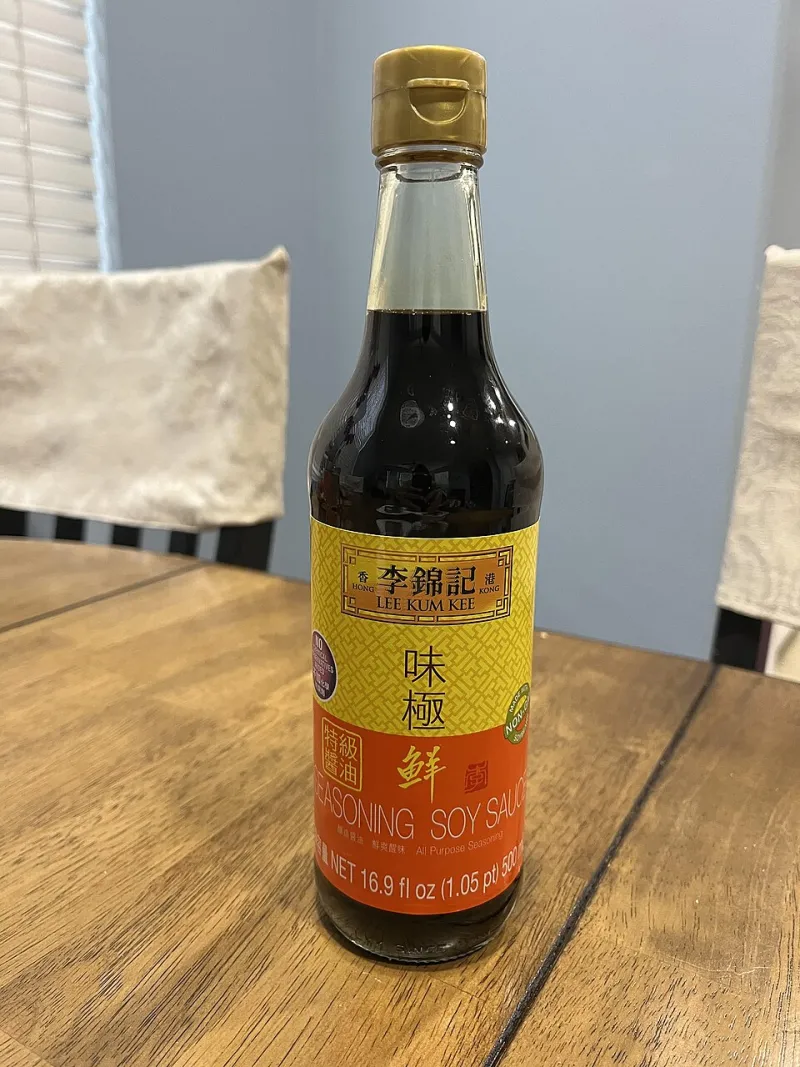
And if you fancy making any of this at home, most of it needs just a handful of pantry staples — good soy, rice vinegar, sesame oil and cornflour will get you startlingly far. We've got guides on exactly which supermarket bottles are worth your money.
The British Chinese takeaway gave this country a cuisine of its own. Order the classics with pride — then, just once, order one thing you can't pronounce yet. That's where the good stuff lives.