Ten Bottles, One Winner: Our Blind Soy Sauce Showdown (Plus a Brewery Benchmarker)
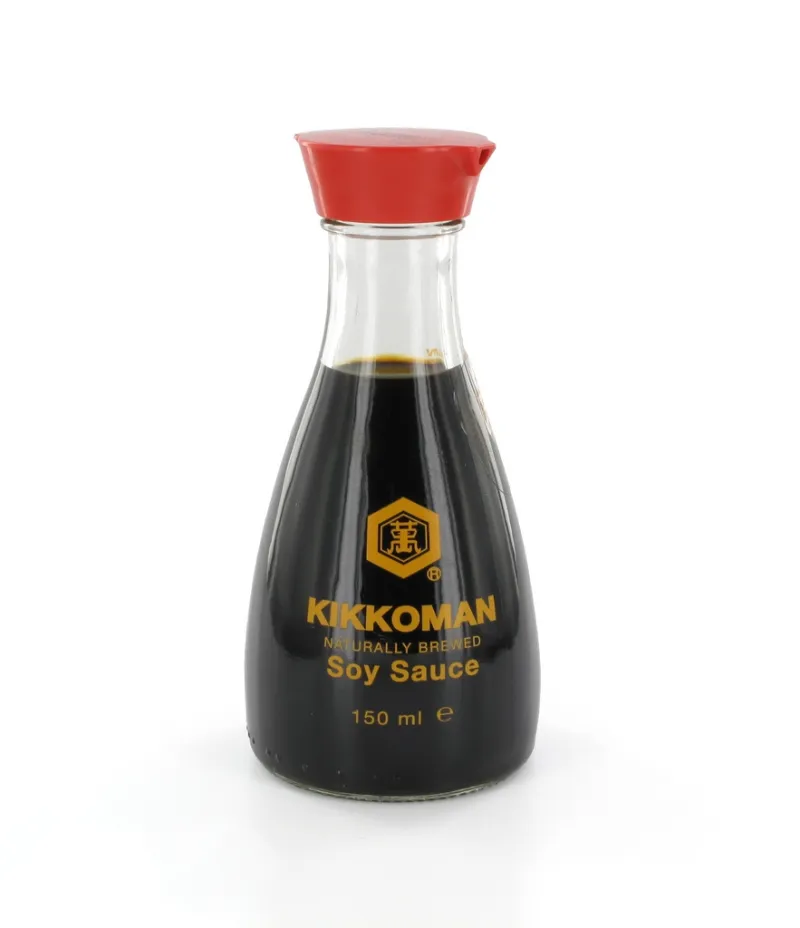
Photo: Creative Tools, CC BY 2.0, via Wikimedia Commons
Soy sauce is the quiet workhorse of the Chinese kitchen. It goes into everything — marinades, stir-fries, the Sunday fried rice — and most of us grab whatever bottle's nearest eye level at Tesco without a second thought. But does it actually matter which one you buy? We decided to find out properly.
The setup: ten bottles from British supermarkets (own-brand and big names), plus one premium, traditionally brewed sauce from a specialist brewery as our benchmark. Every bottle was decanted into identical numbered glasses. Nobody doing the tasting knew which was which. We tasted them neat, sniffed them, and then cooked each one into a simple egg fried rice — the plainest possible test, where a thin, salty sauce has nowhere to hide.
How We Scored
Each sauce got marks out of ten in three categories:
- Aroma — does it smell complex and savoury, or just salty and sharp?
- Depth — that umami richness when tasted straight; the difference between soy sauce and salty water.
- Fried rice performance — colour, gloss, and whether it made the rice taste properly finished or oddly flat.
We kept the rice deliberately boring: day-old jasmine rice, one egg, spring onion, nothing else. Any sauce that couldn't carry that dish wasn't carrying anything.
The Contenders
Our ten supermarket bottles covered the full spread: three supermarket own-brands (one budget, one mid-tier, one 'best of' range), a couple of the familiar British high-street names, a light soy from a mainstream Asian brand, a dark soy, a mushroom soy, and two mid-priced bottles from Asian grocers. The brewery benchmark — a naturally brewed sauce aged for months in traditional vats — sat at roughly ten times the price of the cheapest bottle.
What We Found
The gap between the worst and the best own-brand was enormous. The budget bottle tasted like salt water with a faint tang of regret. In the fried rice it went grey and lifeless, with none of the glossy mahogany colour you want. If this is what's in your cupboard, your fried rice problems might not be a technique problem after all.
The mid-tier bottles were genuinely good. Two of them — one from a major supermarket's standard range and one Asian-grocer staple — scored within a point or two of the brewery benchmark on the rice test. Aroma was where the pricier sauce pulled away: it had a deep, almost caramel-sweet smell, while the supermarket bottles smelled mostly of salt. But at a third of the price, that's a fair trade.
The benchmark was clearly better — just not ten-times-the-price better. Tasted straight, it was in a different league: rounder, less aggressively salty, with a proper savoury finish that lingered. In the fried rice it produced the best colour of the day, a deep amber that the others couldn't match. This is the bottle to reach for when the sauce is the dish — a dipping sauce for dumplings, a finishing drizzle on steamed fish, a dressing for cold noodles.
Dark and mushroom soys are different tools, not better ones. Both were sweeter and thicker, and both turned the rice almost black. Lovely for braising belly pork; heavy-handed for fried rice. Keep one in the cupboard, but don't confuse it with your everyday bottle.
The Verdict
Best everyday bottle: the mid-tier supermarket own-brand — roughly £1.50, scored 8/10 on the rice test, and beat bottles costing twice as much.
Best for special occasions: the traditionally brewed benchmark, which earned its place as a dipping and finishing sauce.
Avoid: the cheapest bottle on the shelf. The 40p saving isn't worth it.
When Cheap Is Fine (and When It Isn't)
Fine: anything where soy sauce is one ingredient among many bold flavours — a marinade with five-spice and honey, a chilli beef stir-fry, the braising liquid for a whole chicken. Cook it hard and the differences mostly vanish.
Not fine: fried rice, dumpling dipping sauce, anything steamed or plain where the soy is doing the seasoning alone. This is where a better bottle earns its keep every single time.
Storage: Keep It Out of the Sunlight
A quick explainer, because we get asked a lot. Unopened, soy sauce keeps happily in a cool, dark cupboard for a couple of years. Once opened, it won't go 'off' in a dangerous way — salt is a brilliant preservative — but it will slowly lose aroma and deepen in colour as it oxidises. That's why the half-empty bottle at the back of your cupboard tastes flat.
Our advice: once open, keep it in the fridge if you use it occasionally, or buy smaller bottles if you cook Chinese food weekly. A fresh 150ml bottle in the fridge door beats a litre of the same sauce going stale over six months. And never decant into a clear glass bottle that lives on a sunny windowsill — light is the enemy of everything good in that liquid.
Final Thought
You don't need to spend a fortune, but you do need to stop buying the cheapest option by default. A £1.50 bottle that tastes nearly as good as the fancy stuff, plus a small premium bottle reserved for dipping and finishing, will cover every Chinese dish you're likely to cook this year. Your fried rice will thank you — and so will your wallet.